Loading
Loading
Rimac Automobili was founded in 2009 by Mate Rimac in Sveta Nedelja, Croatia. Rimac began by converting his own BMW 3 Series to electric power in his garage, setting a quarter-mile record that attracted the attention of investors and enthusiasts. The company's early focus on electric drivetrain components quickly expanded into full vehicle development.
The Concept One, unveiled at the 2011 Frankfurt Motor Show, was the world's first fully electric hypercar. Its four independent electric motors produced 1,088 horsepower and enabled a 0-60 mph time of 2.5 seconds with a top speed of 355 km/h. The Concept One was limited to eight production units, each priced at over one million dollars, establishing Rimac as a player in the most exclusive tier of automotive manufacturing.
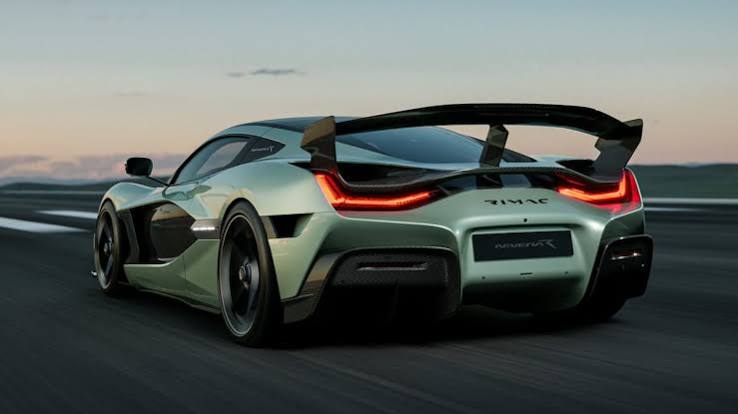
The Nevera, launched in 2022 after years of development, represented a generational leap. Named after a Mediterranean storm, it produces 1,914 horsepower from four electric motors and achieves a 0-60 mph time of 1.81 seconds. The Nevera has set multiple lap records at various circuits and holds over 20 acceleration and braking world records, making it one of the fastest production cars ever built.
Beyond its own vehicles, Rimac has become a leading EV technology supplier. The Rimac Group, established in 2022, includes Rimac Technology, which supplies battery systems and powertrains to other manufacturers. Under the Bugatti-Rimac joint venture formed in 2021, the company shares development responsibilities for the Bugatti brand while maintaining its own hypercar identity. Rimac has grown from a garage project to a multi-billion-euro technology company with over 2,000 employees.
Rimac's four-motor all-wheel-drive system provides independent torque vectoring at each wheel. The system can adjust power delivery up to 100 times per second, enabling traction and stability control that mechanical systems cannot match. This technology has been licensed to other manufacturers.
The Nevera's 120-kilowatt-hour battery pack is a structural element of the chassis, contributing to overall rigidity rather than requiring separate reinforcement. The liquid thermal management system maintains optimal battery temperature even during repeated high-performance driving, enabling consistent lap times without thermal derating.
Rimac's proprietary torque vectoring software, known as Rimac All-Wheel Torque Vectoring, represents one of the most sophisticated production traction control systems. It manages the complex interactions between regenerative braking, stability control, and performance driving with a responsiveness that has set new standards for electric vehicle dynamics.
How the platform works for buyers and dealers