Loading
Loading

NIO was founded in November 2014 by William Li (Li Bin) as a next-generation electric vehicle company. The company established a dual strategy: build extreme performance electric vehicles for brand recognition while developing a broader lineup of premium electric cars for the mass market. This approach distinguished NIO from other Chinese EV startups that focused exclusively on affordable vehicles.
NIO's EP9, unveiled in 2016, was a purpose-built electric supercar that set a Nurburgring lap record for production EVs at the time. The EP9 was not sold to the public but established NIO's engineering credentials and generated global media attention. The car's six electric motors and 1,341 horsepower demonstrated that a young Chinese company could compete with the world's best.
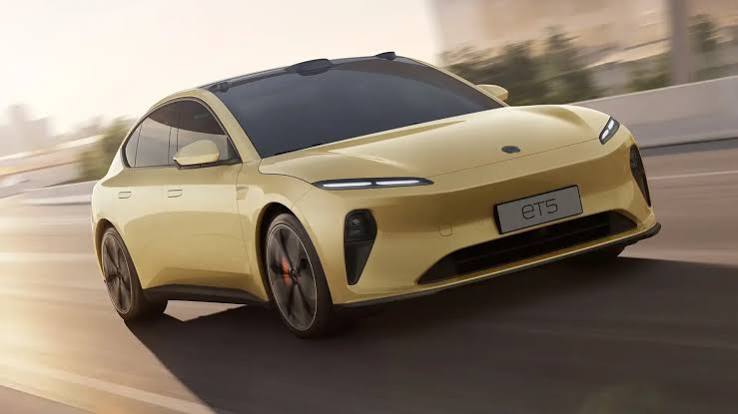
The ES8, NIO's first production SUV, launched in 2018 and established the company's premium positioning. The ES6 followed, along with the EC6 coupe-SUV and the ET7 and ET5 sedans. NIO's vehicles compete directly with BMW, Mercedes-Benz, and Audi in China's premium segment, offering comparable quality with advanced technology and a distinctive ownership experience.
NIO's battery-swapping technology is its most distinctive feature. Rather than charging, NIO owners can exchange depleted batteries for fully charged units in under five minutes at purpose-built swap stations. As of 2025, NIO has deployed over 2,500 swap stations across China and several European markets. The company has also invested heavily in autonomous driving technology, with the NIO Aquila sensor system and NAD (NIO Autonomous Driving) platform positioning the brand as a leader in Chinese ADAS development.
NIO's battery-swapping technology is the most extensive deployment of its kind globally. With over 2,500 swap stations and the ability to exchange a battery in under five minutes, the system addresses the charging-time limitation that constrains long-distance EV travel. The standardization approach has been offered to other manufacturers through the NIO Power network.
The NIO ET7's electric motor produces 480 kW and uses a silicon carbide inverter that improves efficiency by reducing switching losses. The advanced thermal management system enables sustained high-speed cruising without performance degradation, a common limitation in early-generation EVs.
The NIO Aquila sensor suite includes 33 perception units: 11 high-resolution cameras, 5 millimeter-wave radars, 12 ultrasonic sensors, and a lidar with a 120-degree forward field of view. This sensor fusion approach, combined with the NIO Adam supercomputer platform, provides a foundation for higher levels of autonomous driving capability.
How the platform works for buyers and dealers