Loading
Loading

Land Rover was born from a single post-war design: a rugged utility vehicle built from aluminum (to bypass steel rationing) using a Jeep-inspired layout and a Rover car engine. The first Land Rover, the Series I, debuted at the 1948 Amsterdam Motor Show and was initially conceived as a stop-gap product for the Rover Company.
The utilitarian design proved unexpectedly popular, spawning a global reputation for off-road capability. TheSeries evolved through Series II and III, remaining in production until 1985, when it was replaced by the Defender nameplate, which itself remained in production until 2016 before being revived in 2020 with a modern redesign.
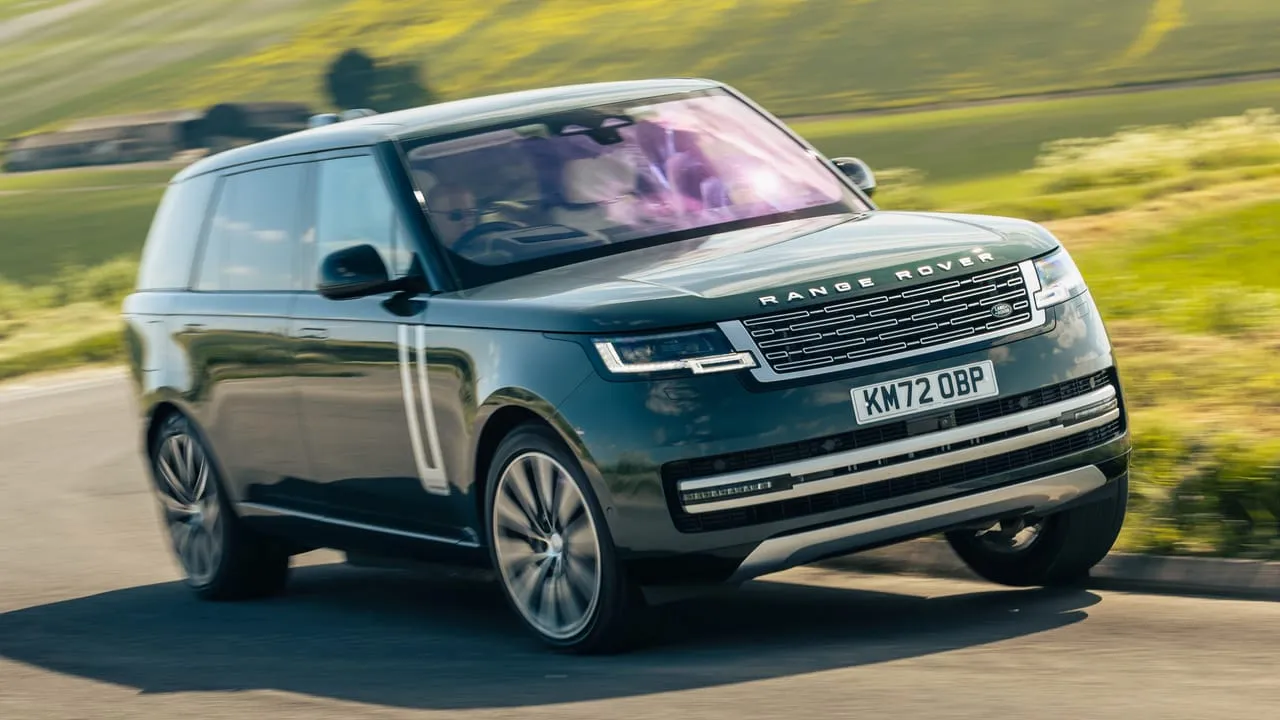
The Range Rover, launched in 1970, created the luxury SUV segment. It combined off-road capability with on-road comfort and a distinctive two-box silhouette that has evolved in design but not fundamentally changed over five generations. The Discovery, launched in 1989, added a more family-oriented option with seven seats, while the Freelander opened the compact premium SUV market in 1997.
Land Rover was part of British Leyland, then spun off to BMW (1994), Ford (2000), and Tata Motors (2008). In 2021, the corporate entity was renamed JLR, and the marketing has moved toward separate Jaguar and Land Rover brand identities within that structure, with Land Rover models increasingly branded simply as Land Rover rather than by sub-brand (e.g., Range Rover is a Land Rover model line, not a separate brand).
The Range Rover (1970) was the first production vehicle to combine coil-sprung suspension, permanent four-wheel drive, and disc brakes in a luxury off-roader. It was also one of the first vehicles displayed at the Louvre as an exemplar of industrial design.
Land Rover introduced Electronic Traction Control (ETC) and Hill Descent Control (HDC) in the 1990s, bringing electronic aids to serious off-roading before most competitors.
The Terrain Response system, introduced on the 2004 Discovery 3, allowed drivers to select preset programs for different surfaces (grass, mud, sand, rocks), computerizing what had previously required driver expertise.
The aluminum unibody construction of the 2012 Range Rover L405 reduced weight by up to 420 kg compared to its steel predecessor, a significant achievement for a full-size luxury SUV.
The Defender (L663, 2020) replaced the original Defender monocoque with a modern unibody platform while retaining off-road capability, though it is structurally a different vehicle from the ladder-frame original.
The first Land Rover debuted at the Amsterdam Motor Show, built on a Jeep-inspired chassis with an aluminum body.
The original two-door Range Rover created the luxury SUV segment, combining off-road capability with on-road refinement.
The Discovery added a family-oriented Land Rover with seven seats and practical interior, built on the Range Rover platform.
The Defender nameplate returned with a modern unibody design, replacing the original that had ended production in 2016.
Jaguar Land Rover was renamed JLR, with Land Rover retaining its brand identity and Range Rover, Defender, and Discovery positioned as model families within it.
How the platform works for buyers and dealers