Loading
Loading

Jaguar began in 1922 as the Swallow Sidecar Company, founded by William Lyons and William Walmsley in Blackpool. The company built motorcycle sidecars before moving into car bodies and eventually complete automobiles. The name Jaguar was adopted in 1935, and the SS name was dropped after World War II.
The XK120, launched at the 1948 London Motor Show, was at the time the world fastest production car, with a top speed of 120 mph. Its twin-cam six-cylinder engine would power Jaguar for decades. The C-Type and D-Type racing cars won Le Mans five times between 1951 and 1957.
The E-Type, launched in 1961, was described by Enzo Ferrari as the most beautiful car ever made. It set a benchmark for styling and performance at an accessible price. Jaguar merged with the British Motor Corporation in 1966, beginning a long period of corporate turbulence that included nationalization as part of British Leyland, privatization, and ownership by Ford (1990 to 2008) and Tata Motors (2008 to present).
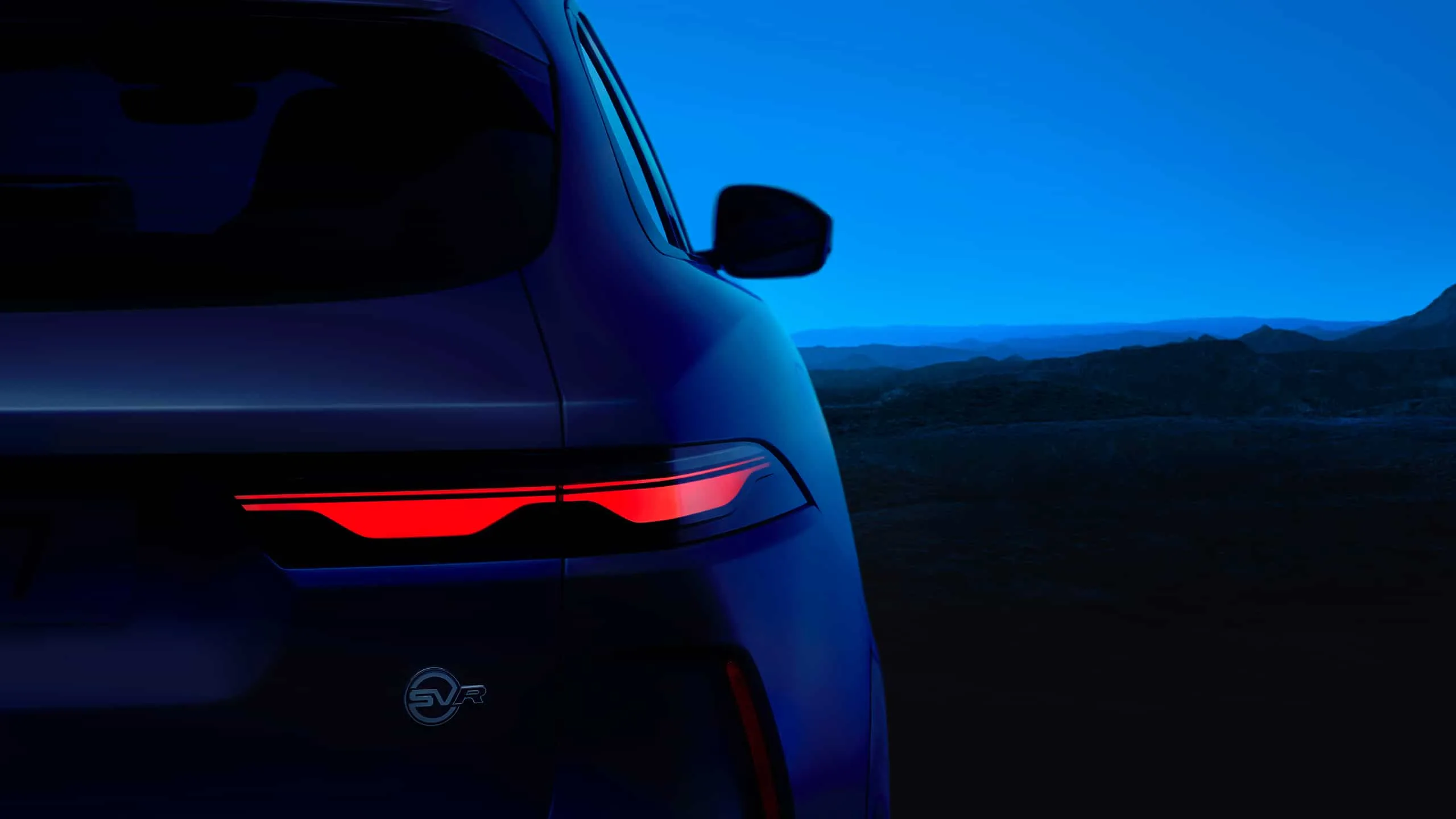
[JAGUAR REBRAND NOTE: In 2024, Jaguar announced a brand relaunch with a new "copy nothing" marketing direction, a new wordmark logo without the leaping jaguar, and a plan to become an all-electric luxury brand by 2026. The brand has also been restructured under JLR (formerly Jaguar Land Rover) as a separate division. The first electric Jaguar under the new direction, a four-door GT based on the JEA platform, was teased for 2025 production. Details of this relaunch timing and specific model plans are based on publicly announced timelines, which may shift.]
The XK120 (1948) introduced the XK twin-cam inline-six engine, which remained in production in various forms until 1992, a 44-year run.
The C-Type (1951) was one of the first production racing cars to use disc brakes, a technology Jaguar developed with Dunlop for its Le Mans program.
The E-Type (1961) combined a monocoque front structure with a rear subframe, an advanced construction method for a production sports car of its era. It also used independent rear suspension, which was unusual for the time.
The XJ220 (1992) was briefly the world fastest production car at 349 km/h, and it used a twin-turbo V6 rather than the V12 originally planned, a cost and engineering decision that disappointed some enthusiasts.
Jaguar aluminum-intensive body construction, introduced with the XJ (X351) in 2009 and expanded to the F-Type, XE, and XF, was a significant shift from traditional steel construction for production volumes of this scale.
William Lyons and William Walmsley founded the Swallow Sidecar Company in Blackpool, building motorcycle sidecars.
The SS 90 and SS 100 were the first cars to carry the Jaguar name, with the SS 100 winning multiple rallies.
The XK120 was the world fastest production car at launch, with a top speed of 120 mph and the legendary XK twin-cam engine.
The E-Type stunned the automotive world at the Geneva Motor Show. Enzo Ferrari reportedly called it the most beautiful car ever made.
Jaguar announced a dramatic brand repositioning toward ultra-luxury, all-electric vehicles under the Copy Nothing campaign, with a new wordmark logo and plans for a production EV GT in 2025.
How the platform works for buyers and dealers