Loading
Loading
Citroën was founded in 1919 by André Citroën, a French industrialist who had made his name manufacturing artillery shells and, before that, a double-helical gear system whose chevron shape became the company emblem. It was among Europe's first mass-production carmakers, and its early cars were aimed at making motoring affordable for ordinary families rather than only the wealthy.
The 1934 Traction Avant was one of the most radical cars of its era, combining front-wheel drive, unitary body construction and independent front suspension at a time when most cars were rear-driven, body-on-frame machines. The 2CV, introduced after the Second World War, became the people's car of France, a minimal, air-cooled design with long-travel suspension that stayed in production for decades. The 1955 DS pushed further still, pairing aerodynamic styling by Flaminio Bertoni with hydropneumatic self-levelling suspension and power steering.
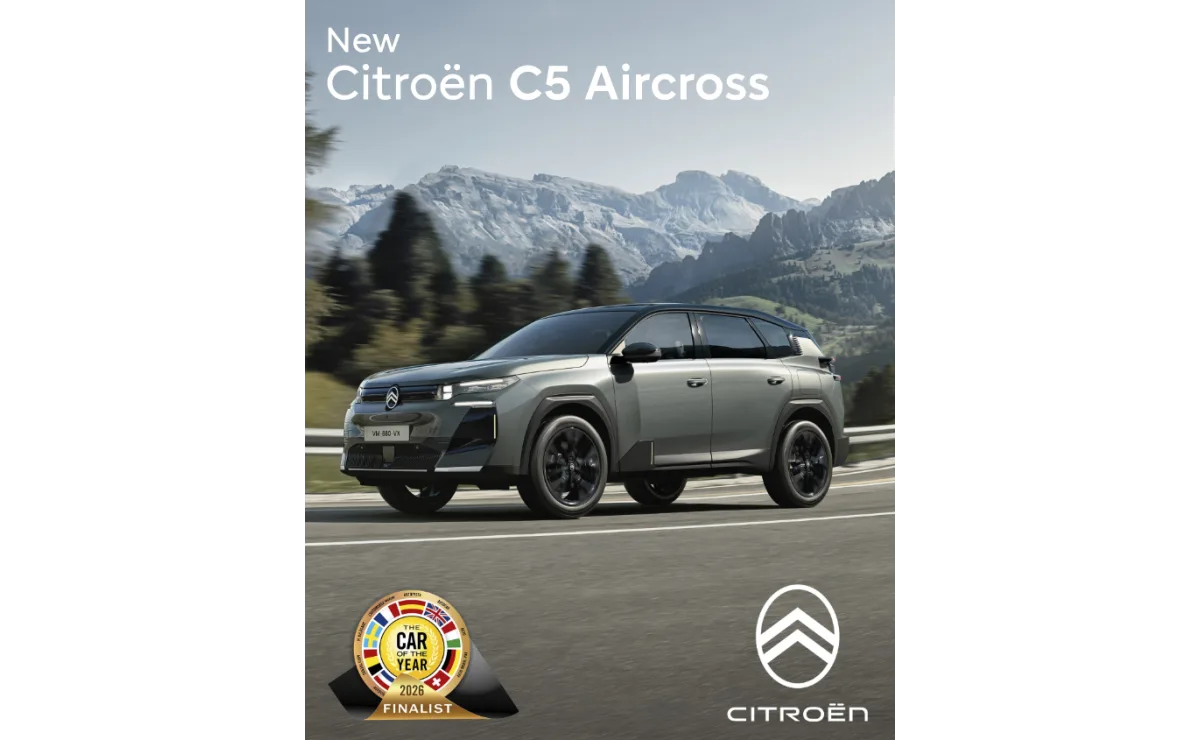
Citroën joined Peugeot to form PSA in 1976, and the brand later became part of Stellantis in 2021. In recent years it has positioned itself around comfort and value, with the C5 Aircross representing its mainstream SUV offering and the diminutive Ami quadricycle addressing a very different kind of urban mobility.
Citroën's defining innovation was hydropneumatic suspension, introduced on the 1955 DS. Using gas spheres and hydraulic fluid in place of conventional springs, it delivered a self-levelling, exceptionally compliant ride and allowed the car to be raised and lowered for ground clearance. Variations of the system remained in Citroën's larger cars for over four decades.
The 1934 Traction Avant helped prove front-wheel drive and unitary construction in mass-market cars, a combination that eventually became the industry standard. Citroën also introduced features that are now taken for granted, including front disc brakes on the DS and, later, self-levelling and directional headlamps.
André Citroën founds the company; the Type A becomes one of Europe's first mass-produced cars.
Front-wheel drive, unitary body and independent suspension make it the most advanced car of its era.
The utilitarian 2CV brings motoring to a mass French audience.
The DS debuts with hydropneumatic suspension and radical aerodynamic styling.
Citroën merges with Peugeot to form PSA Peugeot Citroën.
How the platform works for buyers and dealers