Loading
Loading

Chrysler was founded in 1925 by Walter Chrysler from the remains of the Maxwell Motor Company. The first Chrysler, the Chrysler Six, introduced advanced features like a high-compression engine and four-wheel hydraulic brakes at a price below luxury competitors. The brand rapidly established itself as an engineering innovator.
Chrysler grew through acquisition, purchasing Dodge in 1928 and later forming DeSoto and Plymouth. The company introduced the Airflow in 1934, a radically aerodynamic car that was commercially unsuccessful but pioneered unit-body construction and weight distribution principles. Chrysler engineering developed the Hemi V8 engine in 1951, which became legendary in both automotive and motorsport applications.
Chrysler has survived multiple near-collapse events, including the 1979 government bailout, the 1998 Daimler merger (DaimlerChrysler), private equity ownership under Cerberus (2007), the 2009 government-backed bankruptcy, and the 2014 Fiat merger that created Fiat Chrysler Automobiles. The company is now part of Stellantis, formed in 2021.
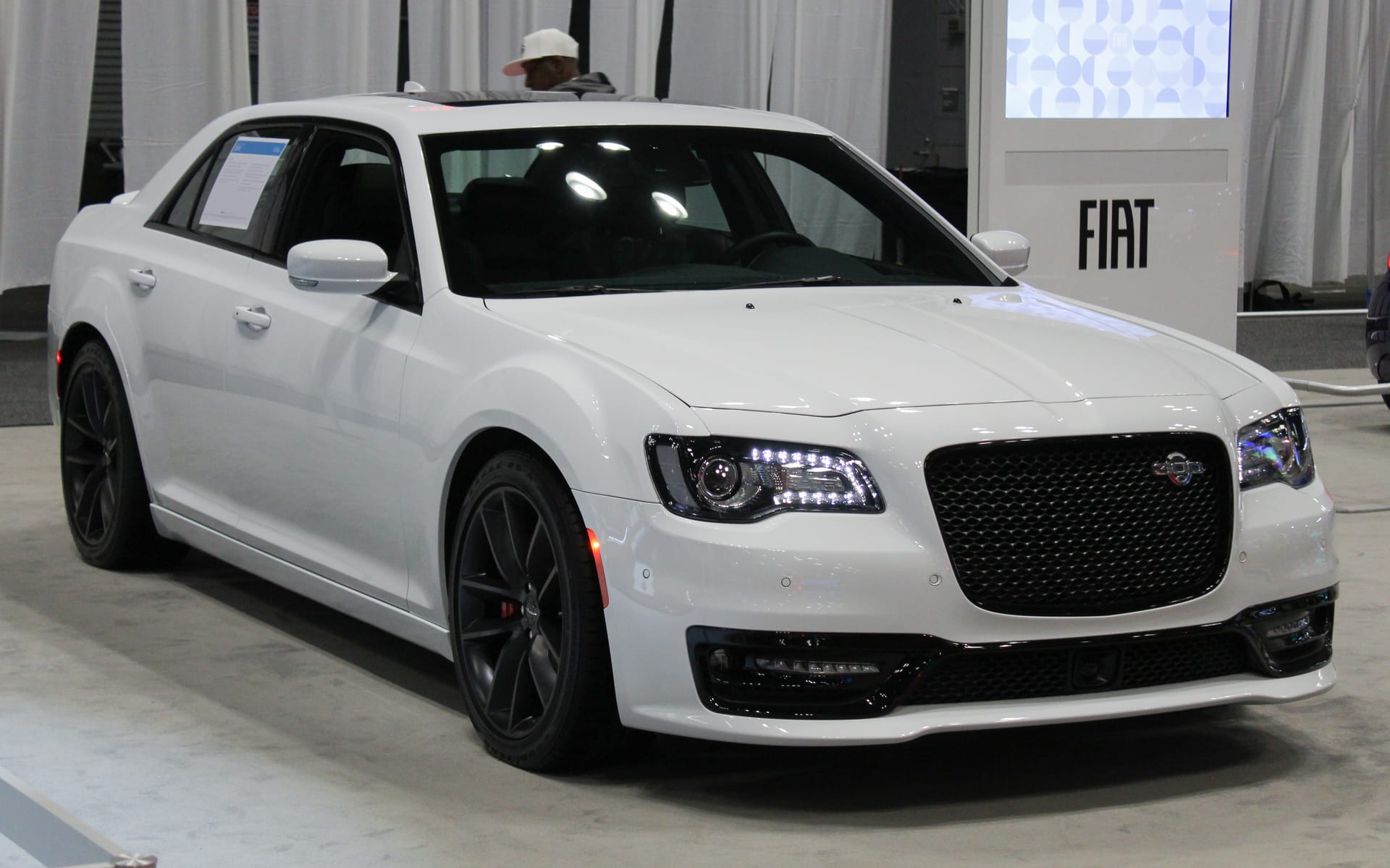
[Note: Chrysler has narrowed its lineup dramatically, currently consisting of only the Pacifica minivan and Voyager minivan. The 300 sedan ended production in 2023. The Airflow concept shown at the 2022 CES was intended to preview a future electric crossover, but the production timeline and final design remain unconfirmed as of 2025.]
The Chrysler Airflow (1934) was the first mass-produced car designed with aerodynamics as the primary consideration. While commercially unsuccessful, it introduced unit-body construction to the American market and demonstrated the importance of weight distribution and aerodynamics.
The Chrysler Hemi V8, introduced in 1951, used hemispherical combustion chambers that allowed larger valves, better flame propagation, and higher compression ratios than conventional flathead or wedge-head engines. The Hemi design has been used continuously in Chrysler performance vehicles, most recently in the 6.4L and 6.2L supercharged Hellcat variants.
Chrysler introduced keyless entry and the first key fob with remote control on the 1983 Chrysler New Yorker. The company also pioneered the minivan segment with the 1984 Dodge Caravan and Plymouth Voyager, creating a vehicle category that transformed family transportation.
The Stow n Go seating system, introduced on the Chrysler minivan lineup in 2005, allowed the second-row seats to fold completely into recessed storage bins in the floor, a convenience feature that competitors have struggled to replicate.
[Note: Chrysler has historically claimed several firsts (first practical hydraulic brakes, first unit-body American car) that have been subject to debate depending on definitions and competing claims from other manufacturers.]
Walter Chrysler formed the Chrysler Corporation from the remains of Maxwell Motor Company.
The Chrysler Airflow, a revolutionary aerodynamic design, entered production. It was commercially unsuccessful but technically influential.
The first Chrysler Hemi V8 engine, the FirePower, was introduced with hemispherical combustion chambers.
The Dodge Caravan and Plymouth Voyager were introduced, creating the minivan segment.
Chrysler filed for Chapter 11 bankruptcy and emerged under Fiat management, beginning the Fiat Chrysler Automobiles era.
How the platform works for buyers and dealers