Loading
Loading
Alpina began not as an automaker but as a typewriter manufacturer. Burkard Bovensiepen, son of the founder of the Alpina typewriter company, turned his attention to automobiles in the early 1960s. He developed a high-performance carburetor upgrade for the BMW 1500, and the positive reception led him to establish a dedicated automotive tuning operation in 1965. The company soon became BMW's most respected partner, producing vehicles that combined genuine performance upgrades with everyday usability.
The 1970s saw Alpina evolve from a parts supplier to a full-fledged vehicle manufacturer. The Alpina 3.0 CSL and the B6 2.8 established the formula that defined the brand for decades: subtle exterior changes, significantly enhanced engines, hand-finished interiors, and suspension tuning that prioritized real-world driving over track times. Alpina cars were faster than their BMW counterparts but also more comfortable and more refined.
Throughout the 1980s and 1990s, Alpina produced a series of acclaimed models. The B10 BiTurbo based on the E34 5 Series was one of the fastest sedans of its era, while the B12 5.0 based on the 8 Series offered V12-powered grand touring. Each car received its own Alpina-specific VIN, placing the brand in a unique position between tuner and manufacturer.
BMW acquired Alpina in 2022, ending decades of independence. Under the new arrangement, Alpina will continue to develop its own vehicles but with deeper integration into BMW Group. The transition marks the end of an era for independent high-performance manufacturing but ensures Alpina's engineering philosophy will continue within the broader BMW portfolio.
Alpina's approach to engine building set it apart from conventional tuners. Rather than simply increasing boost pressure or adding aggressive camshafts, Alpina engineers focused on thermal management, internal balancing, and intake/exhaust flow optimization to produce power gains without sacrificing reliability or drivability.
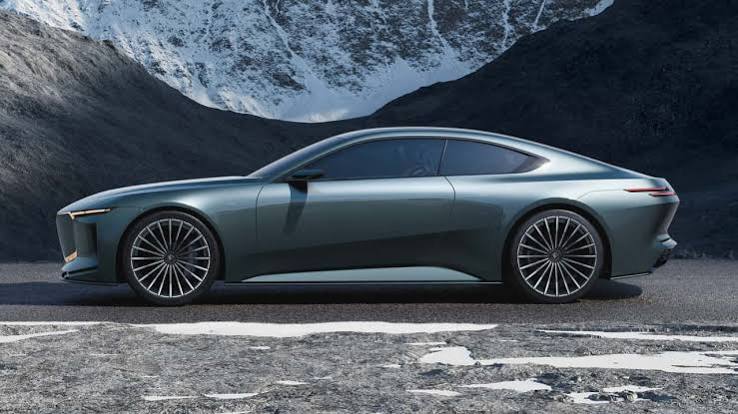
The Alpina steering wheel, produced in partnership with Momo, became an industry benchmark for ergonomics. Its unique thickness, thumb rests, and leather quality influenced steering wheel design across multiple manufacturers. The classic 20-spoke Alpina alloy wheel design remains instantly recognizable and widely imitated.
Alpina pioneered the concept of the luxury performance touring car. By combining long-distance comfort with genuine high-performance capability, the brand created a segment that competitors such as Mercedes-AMG and Audi Sport would later pursue. Alpina's switchable electronic suspension systems allowed drivers to choose between comfort and sport settings, a feature that became standard in the performance luxury segment.
How the platform works for buyers and dealers